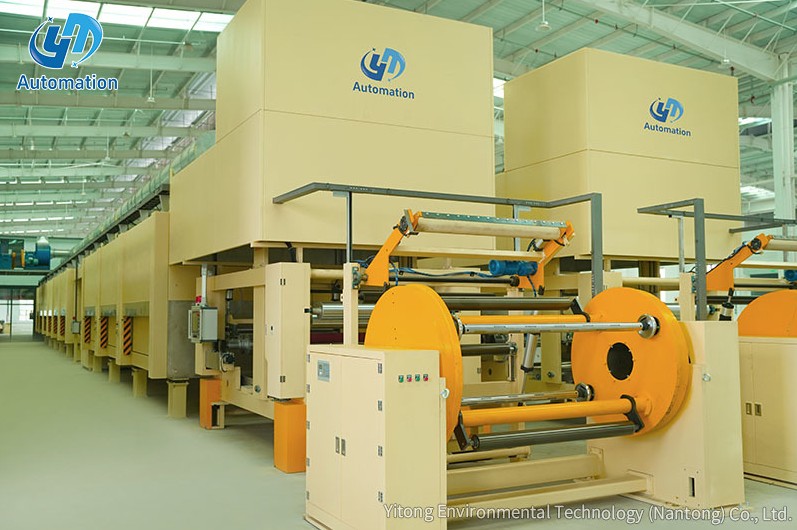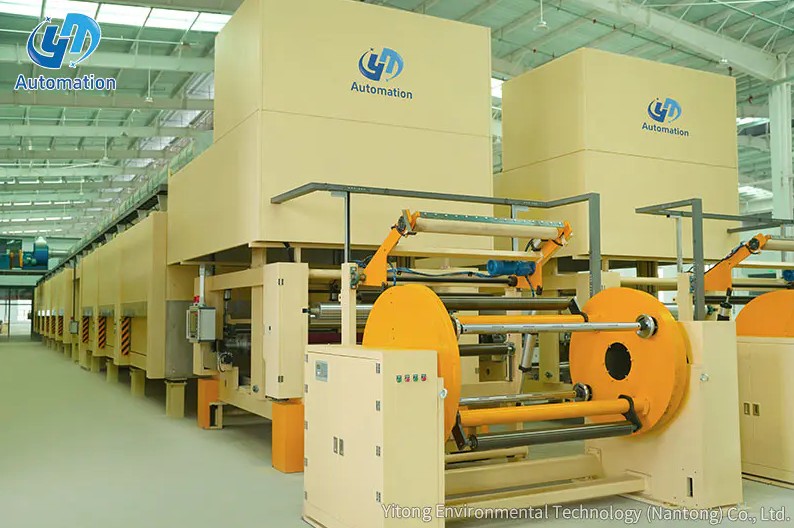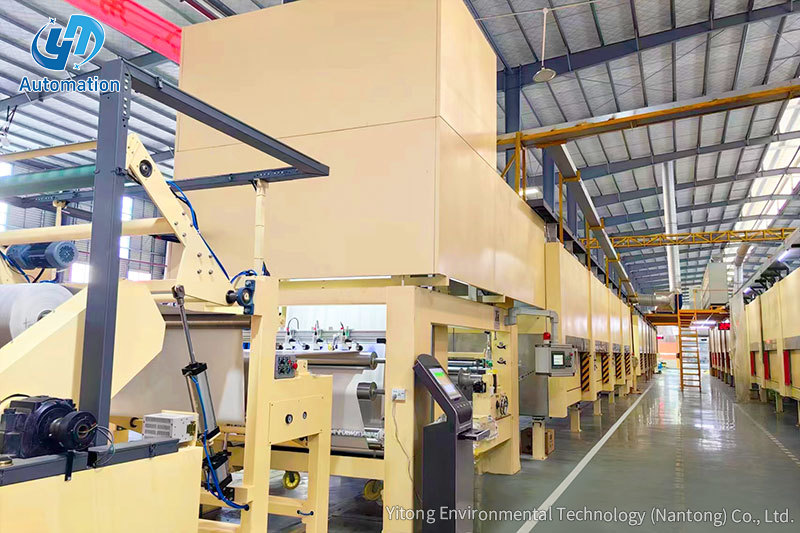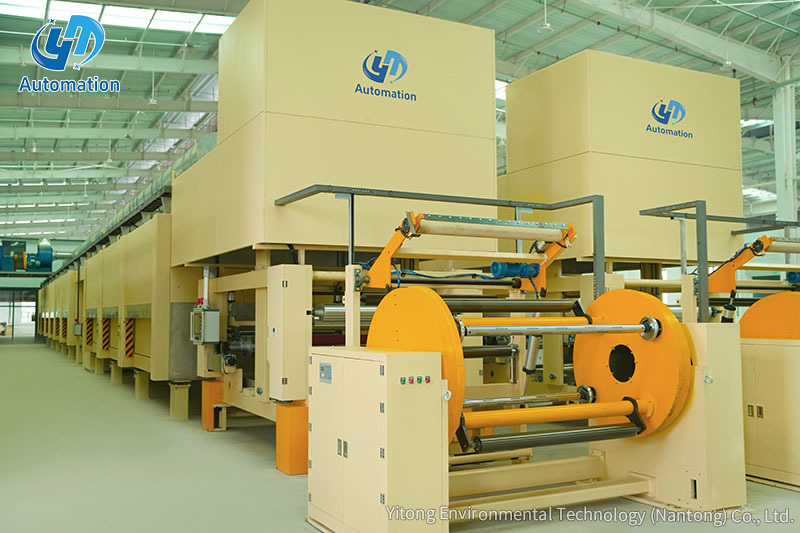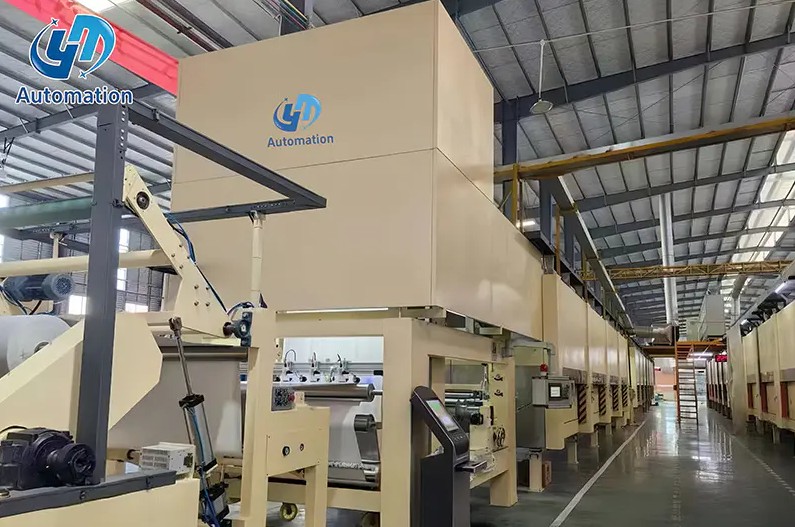
Tidak juga a Pelepas Putar atau slitter unwinder secara universal lebih baik — pilihan yang tepat bergantung sepenuhnya pada alur kerja produksi Anda, jenis bahan, dimensi gulungan, dan apakah pemotongan merupakan bagian wajib dari proses Anda . Pelepas putar unggul dalam pengumpanan web berkecepatan tinggi secara terus-menerus dengan kontrol tegangan yang presisi pada berbagai berat dan lebar gulungan. Pelepas slitter menggabungkan pelepasan dengan pemotongan inline ke dalam satu mesin, yang mengurangi langkah-langkah tapak dan penanganan namun menambah kompleksitas mekanis dan membatasi fleksibilitas setiap fungsi secara terpisah. Memahami di mana setiap mesin berkinerja terbaik adalah kunci untuk melakukan investasi modal yang tepat.
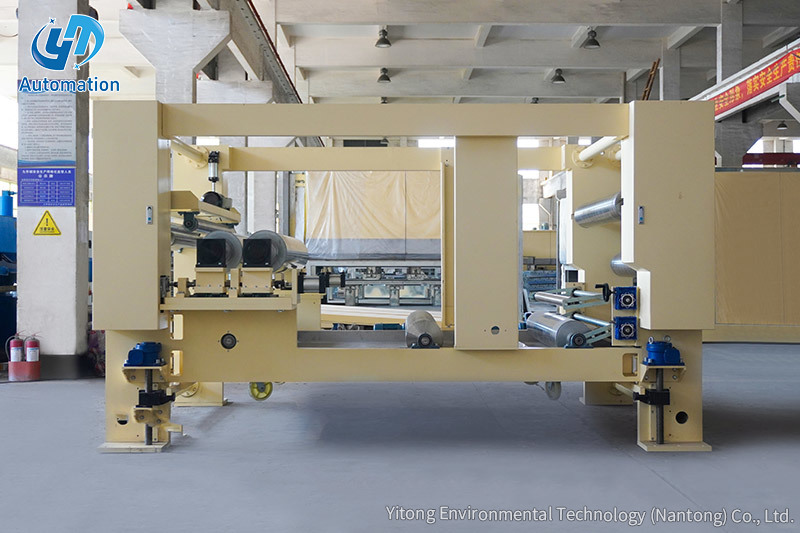
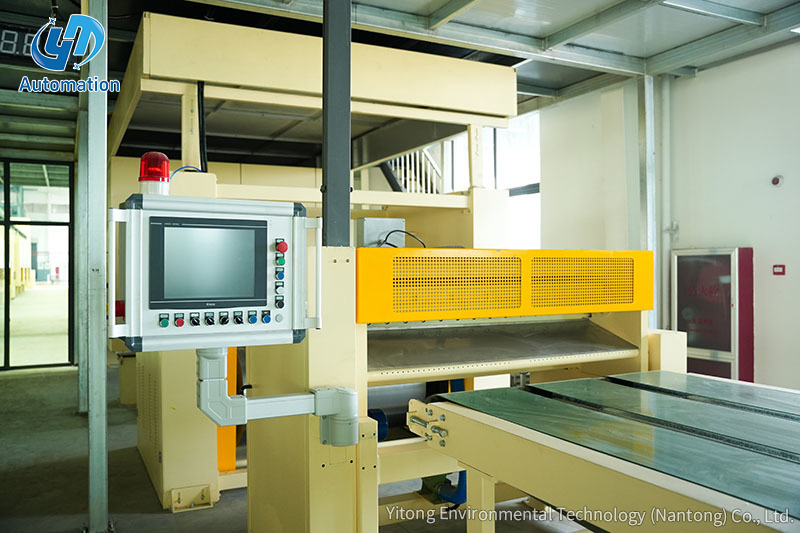
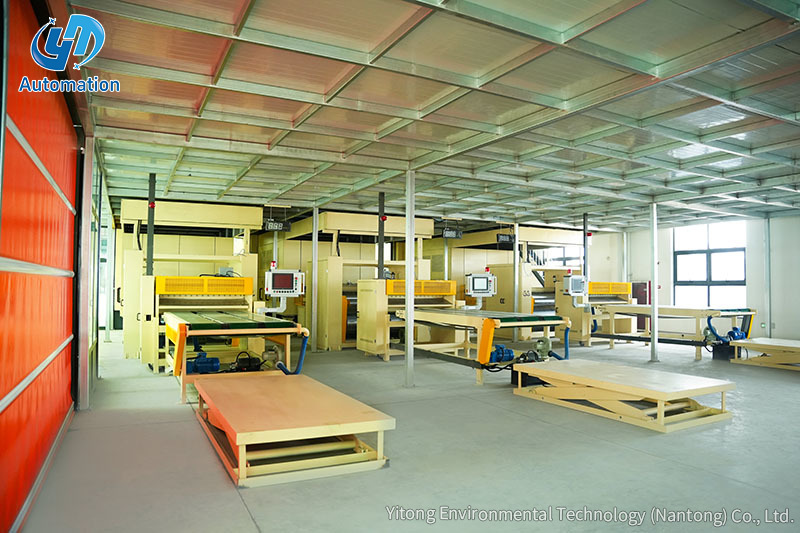
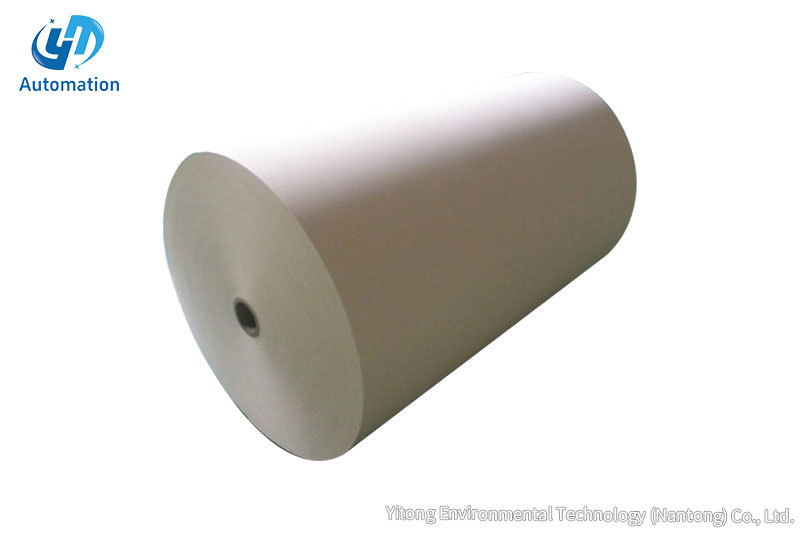
A Pelepas Putar adalah mesin pengumpan jaring khusus yang melepaskan gulungan bahan fleksibel — film, foil, kertas, bukan tenunan, tekstil, atau laminasi — dan menyalurkan jaring yang berkesinambungan dan dikontrol tegangannya ke jalur produksi hilir. Desain putar berarti gulungan dipasang secara horizontal pada poros atau poros yang digerakkan dan diputar dengan kecepatan terkontrol agar sesuai dengan permintaan saluran, dengan pengaturan tegangan otomatis yang menjaga perilaku jaring yang konsisten sepanjang perubahan diameter gulungan dari penuh ke kosong.
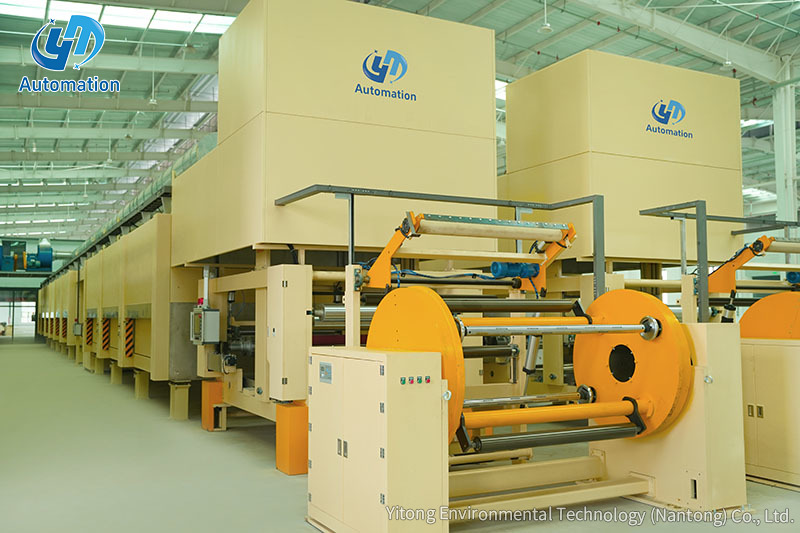
Pelepas putar adalah pilihan standar ketika:
Slitter unwinder — juga disebut slitter-rewinder atau kombinasi unwinder — mengintegrasikan fungsi unwinding dengan bilah slitting inline dan bagian rewinding ke dalam satu mesin. Gulungan dilepas, jaring melewati stasiun pemotongan di mana pisau melingkar atau silet membaginya menjadi beberapa jalur yang lebih sempit, dan setiap jalur digulung ulang menjadi gulungan jadi yang terpisah secara bersamaan.
Desain kombinasi memperkenalkan batasan yang menjadi signifikan dalam lingkungan produksi yang fleksibel atau dengan throughput tinggi:
| Faktor | Pelepas Putar | Slitter Unwinder |
|---|---|---|
| Fungsi utama | Pengumpanan web khusus dengan kontrol tegangan | Pelepasan dikombinasikan dengan pemotongan dan penggulungan sebaris |
| Kapasitas berat gulungan | Hingga 5.000 kg ke atas (model tugas berat) | Biasanya 500 hingga 2.000 kg (kompromi desain) |
| Fleksibilitas proses | Tinggi — memberi makan setiap proses hilir | Terbatas pada operasi pemotongan |
| Persyaratan ruang lantai | Lebih besar (mesin terpisah untuk setiap fungsi) | Lebih kecil (jejak mesin gabungan) |
| Kecepatan pergantian (perubahan gulungan) | Cepat — tidak perlu mengubah posisi blade | Lebih lambat — posisi blade harus diatur ulang setiap kali dijalankan |
| Kontrol tegangan presisi | Tinggi — didedikasikan untuk satu fungsi | Bagus — dioptimalkan untuk kualitas celah secara khusus |
| Biaya modal (unit tunggal) | Lebih rendah per unit; total lebih tinggi jika pemotongan diperlukan | Lebih tinggi per unit; total lebih rendah untuk jalur pemotongan khusus |
| Saling ketergantungan pemeliharaan | Tidak ada — setiap mesin dirawat secara independen | Perawatan slitter juga menghilangkan fungsi pelepasan |
| Paling cocok untuk | Jalur multi-proses, gulungan berat, bahan bervariasi | Pemotongan khusus bervolume tinggi dengan pola celah yang konsisten |
A Pelepas Putar adalah investasi yang lebih baik jika satu atau lebih kondisi berikut berlaku pada operasi Anda:
Pelepas slitter memberikan nilai lebih baik ketika:
Sebuah studi efisiensi manufaktur tahun 2022 tentang operasi konversi di sektor pengemasan fleksibel menemukan hal itu lini produksi yang menggunakan peralatan pelepas dan penggorengan terpisah mencapai efektivitas peralatan keseluruhan (OEE) 18% lebih tinggi dibandingkan dengan gabungan konfigurasi slitter-unwinder, terutama karena berkurangnya waktu henti terjadwal selama perubahan pola celah dan pemulihan yang lebih cepat dari kejadian pemeliharaan slitter yang tidak direncanakan. (Sumber: Jurnal TAPPI, Web Tolok Ukur Efisiensi Peralatan Penanganan dan Konversi, Vol. 21, 2022)
Jika alat pelepas putar khusus adalah pilihan yang tepat untuk lini produk Anda, berikut adalah spesifikasi penting yang harus dievaluasi dan dibandingkan:
| Spesifikasi | Apa yang Harus Diperhatikan | Mengapa Itu Penting |
|---|---|---|
| Berat gulungan maksimum | Cocokkan dengan gulungan terberat Anda ditambah margin keamanan 20%. | Bantalan spindel yang berukuran terlalu kecil rusak sebelum waktunya karena beban yang berkelanjutan |
| Diameter gulungan maksimum | Kisaran tipikal: 600 mm hingga 1.500 mm | Menentukan apakah gulungan jumbo dapat dijalankan tanpa pemotongan terlebih dahulu |
| Kompatibilitas diameter inti | 76 mm, 152 mm, atau khusus — konfirmasikan dengan gulungan pemasok Anda | Ketidakcocokan inti mencegah pemasangan atau menyebabkan goyangan spindel |
| Rentang kendali ketegangan | Digerakkan oleh servo dengan umpan balik penari atau sel beban | Ketegangan yang konsisten dari gulungan penuh hingga ujung kertas mencegah jaring pecah |
| Kisaran lebar web | Harus menutupi materi tersempit dan terluas Anda | Zona pemandu tepi dan tegangan harus menjangkau seluruh lebar material |
| Kecepatan jalur maksimum | Pastikan kecepatan unwinder sesuai dengan kecepatan jalur hilir | Ketidaksesuaian kecepatan menyebabkan jaring melorot atau ketegangan berlebihan |
| Kemampuan penyambungan | Sambungan manual, semi-otomatis, atau terbang | Sambungan terbang menghilangkan penghentian jalur selama perubahan gulungan pada jalur kontinu |
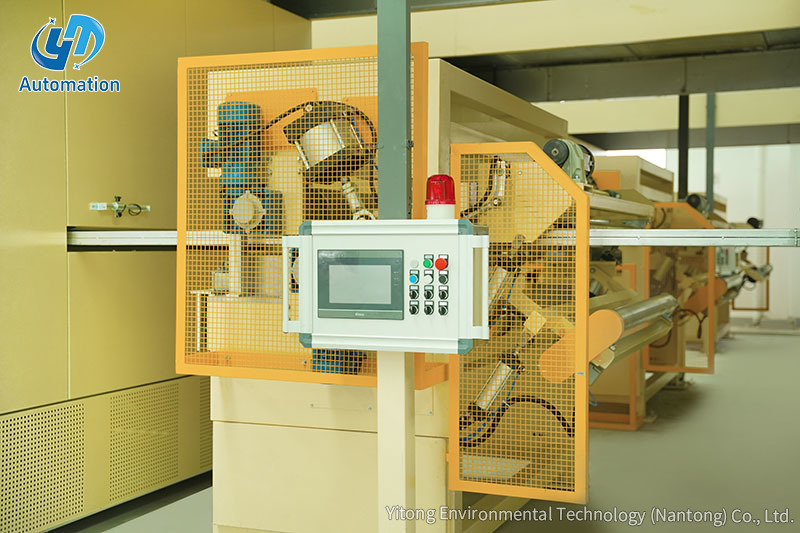
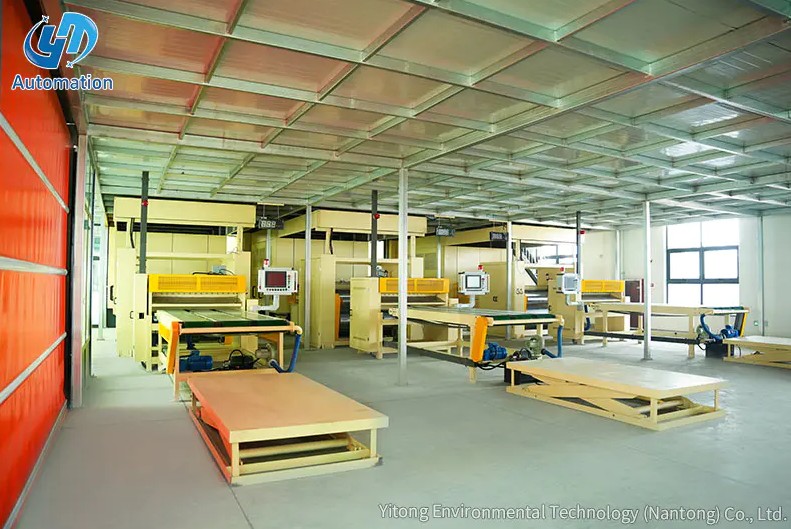
Itu Pelepas Putar Ytinte dirancang untuk memenuhi spesifikasi penting ini untuk jalur pemrosesan web industri, menawarkan manajemen tegangan yang dikontrol servo, kapasitas beban gulungan tugas berat, dan kompatibilitas ukuran inti yang fleksibel. Ini dirancang sebagai solusi pengumpanan mandiri yang terintegrasi secara rapi dengan operasi pencetakan, pelapisan, laminasi, atau pemotongan hilir — menjadikannya fondasi yang tepat untuk lini produksi multi-proses yang mengutamakan fleksibilitas proses dan waktu kerja.
| Situasi Produksi Anda | Pilihan Lebih Baik |
|---|---|
| Garis multi-proses dengan pencetakan, pelapisan, atau laminasi sebelum digorok | Pelepas Putar |
| Berat gulungan diatas 1.500 kg | Pelepas Putar |
| Perubahan pola celah yang sering terjadi sepanjang hari | Pelepas Putar (celah terpisah) |
| Berbagai macam jenis dan ketebalan bahan | Pelepas Putar |
| Pemotongan khusus bervolume tinggi dengan pola tetap | Slitter Unwinder |
| Ruang lantai sangat terbatas, pengoperasian satu tugas | Slitter Unwinder |
| Pembelian tunggal dengan anggaran terbatas hanya untuk pemotongan | Slitter Unwinder |
Itu practical conclusion: untuk sebagian besar lingkungan manufaktur yang fleksibel yang mengutamakan variasi proses, keragaman material, dan waktu kerja, sebuah hal yang berdedikasi Pelepas Putar dipasangkan dengan slitter terpisah menghasilkan kinerja dan fleksibilitas jangka panjang yang unggul. Pelepas slitter adalah alat yang tepat khususnya untuk operasi di mana slitting adalah satu-satunya tugas produksi yang konsisten dengan pola yang dapat diprediksi dan bobot gulungan yang dapat diatur.
Hubungi kami
Produk yang Direkomendasikan
Ayo Masuk
Menyentuh
Yitong Environmental Technology (Nantong) Co., Ltd adalah produsen yang mengkhususkan diri dalam peralatan impregnasi.
Wechat wechat

ada apa

Hubungi kami
Phone: +86-19555016088
Email: [email protected]
Add:Selatan Jalan Haiyan, Barat Jalan Nanhai, Teluk Tongzhou Zona Demonstrasi Pembangunan Bersama Sungai-Laut Yangtze, Jiangsu, Tiongkok